
How to use Cavity Filter in your RF Design
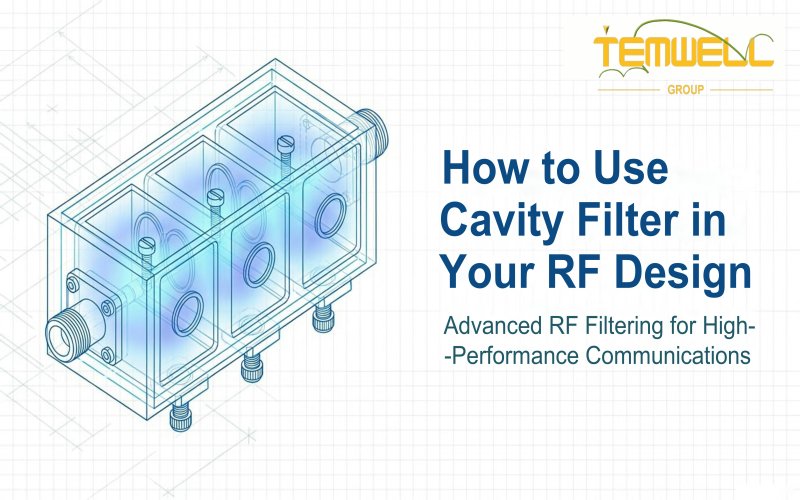
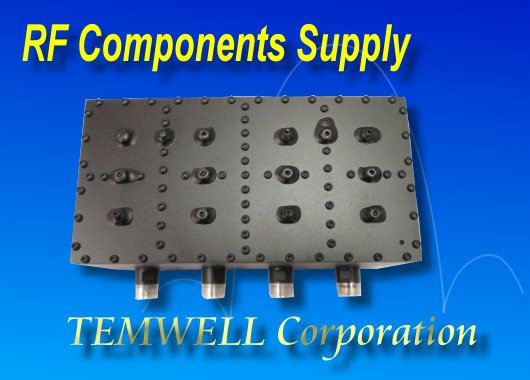
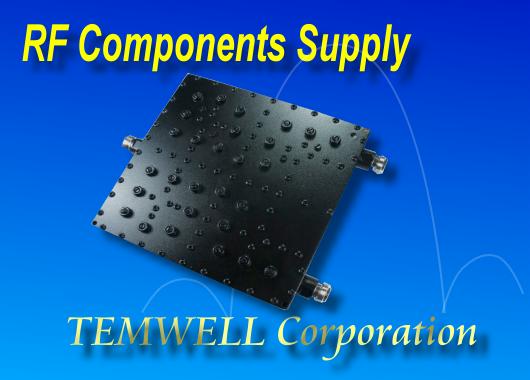
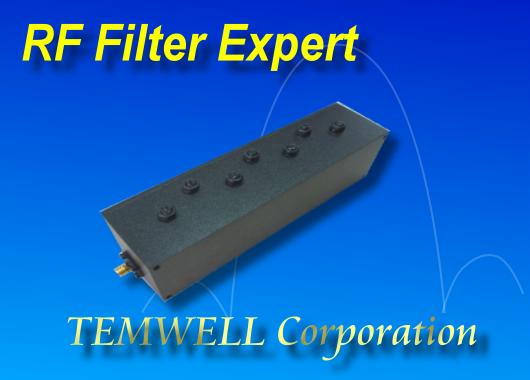
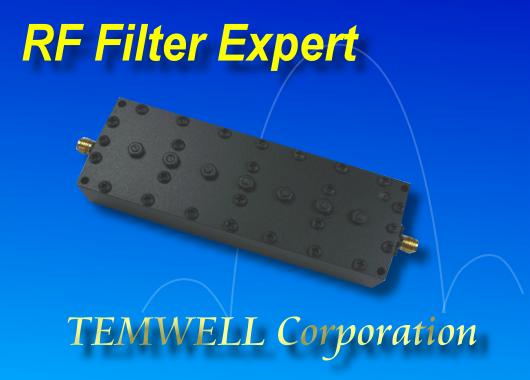
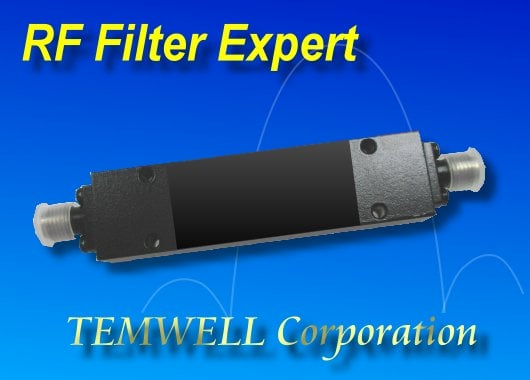
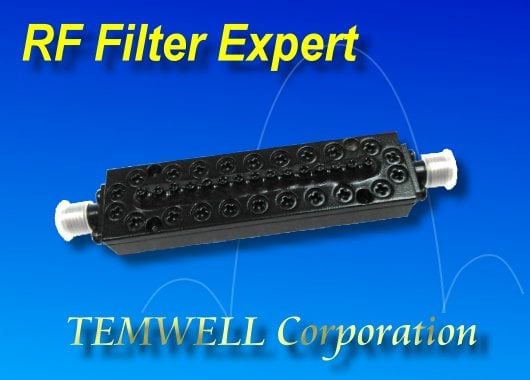
Cavity filter is a high-performance radio frequency filter designed using the resonant principle of a metal cavity. It features high Q-value, low insertion loss, and excellent selectivity, making it particularly suitable for high-frequency and high-power communication environments. Its structure effectively suppresses adjacent-channel interference, ensuring clean and stable signal transmission. Therefore, it is widely used in mobile communication base stations, broadcast television transmission systems, satellite communication ground stations, and military and aerospace equipment. Furthermore, cavity filters play a crucial role in public safety communication and private network systems, providing stable and reliable signal filtering capabilities. Although relatively large, they remain an indispensable component in applications with stringent performance requirements.
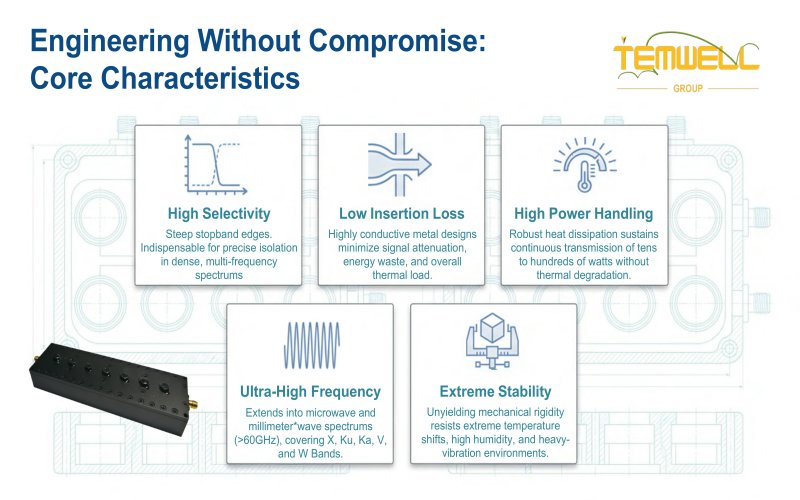
Core Features of Cavity Filter
Cavity filters are characterized by high performance and stability, and are widely used in high-frequency and high-power communication systems. Their core technological advantages will be introduced below.
1. High Selectivity:
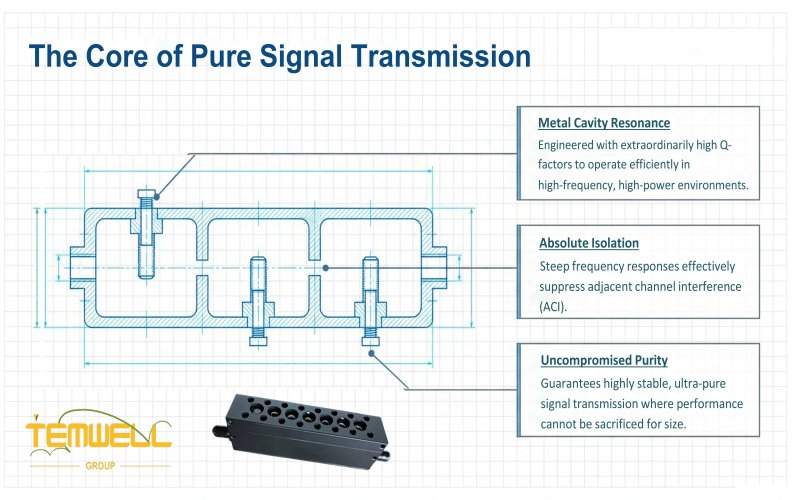
Cavity Filter features an extremely high Q value and a precise cavity design, creating a steep frequency response between the passband and stopband, achieving excellent frequency isolation. This high isolation effectively suppresses adjacent channel interference and noise signals, ensuring stable system operation in multi-frequency coexistence or high-density spectrum environments. It is particularly suitable for applications with extremely high signal purity requirements, such as base stations, satellite communications, and military systems.
2. Low Insertion Loss
Cavity Filter employs a highly conductive metal cavity design, possessing excellent resonant efficiency, resulting in extremely low energy loss during signal transmission within the passband. Low insertion loss means minimal signal attenuation, improving overall transmission efficiency and receiver sensitivity, which is particularly important for long-distance communication or high-frequency applications. Furthermore, low loss also reduces the load on the power amplifier, minimizing energy waste and thermal effects, contributing to stable system operation over extended periods.
3. High Power Handling Capability
Cavity Filter features a metal structure and excellent heat dissipation design, enabling it to withstand high-power RF signals and making it suitable for applications requiring tens to hundreds of watts or more. Even under prolonged high-power operation, it maintains stable electrical characteristics and is less prone to thermal effects or performance degradation. Therefore, it is widely used in high-power environments such as broadcast transmission, base stations, and military communications.
4. Supports ultra-high frequency bands up to 60GHz and above (X, Ku, K, Ka, V, W Band)
With the development of high-frequency communication technology, the Cavity Filter can be extended to microwave and millimeter-wave bands, covering X, Ku, K, Ka, and even V and W Bands, with frequencies reaching over 60GHz. Through precise mechanical design and process control, it can still maintain good selectivity and low-loss characteristics, making it suitable for high-frequency applications such as satellite communications, radar systems, and high-speed wireless transmission.
5. Stability in Special Environments
Cavity Filters possess excellent environmental adaptability, operating stably under extreme temperatures, humidity variations, vibration, or harsh outdoor conditions. Their metallic structure and mechanical strength make them less susceptible to external environmental influences, maintaining frequency and performance stability over extended periods. This characteristic makes them particularly suitable for aerospace, military, outdoor base station, and industrial applications, ensuring high system reliability even under extreme conditions.
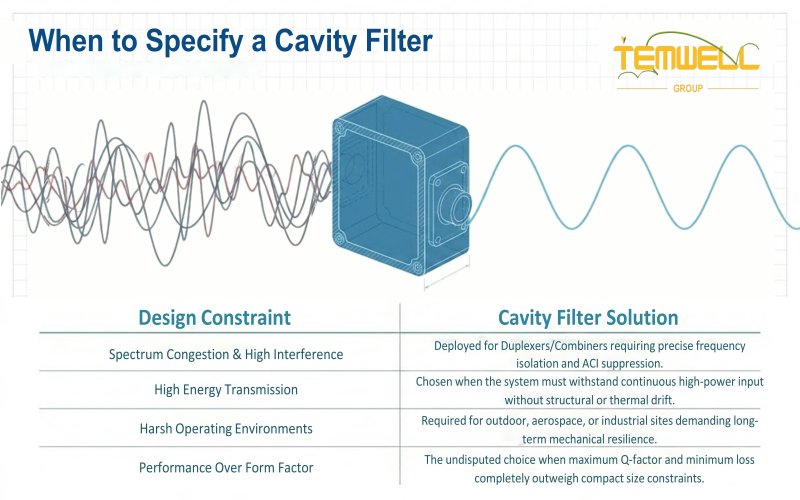
Suitable scenarios for using Cavity Filter
The following is a list of suitable application conditions for using Cavity Filter.
1. Environments Requiring High Interference and Selectivity:
When systems operate in environments with congested spectrum or multiple signals, such as mobile communication base stations or satellite communication systems, they require high isolation and high selectivity to effectively suppress adjacent channel interference and noise. Cavity filters provide a steep frequency response, ensuring signal purity and stability.
2. High-Power Transmission Applications
In high-power scenarios such as broadcast transmission, base stations, or military communications, filters need to withstand high energy input for extended periods. Cavity Filters possess excellent heat dissipation capabilities and structural strength, maintaining stable performance and resisting degradation due to thermal effects.
3. Severe Environmental Requirements
If the equipment needs to operate outdoors or in extreme environments, such as high and low temperature changes, humidity, vibration, or long-term exposure, the metal structure and mechanical stability of the Cavity Filter can ensure that the frequency characteristics are not easily drifted, thus improving the overall system reliability.
4. Applications in the high-frequency to microwave bands
When the application frequency band covers microwave and even millimeter waves (such as Ku and Ka bands), and low insertion loss and high performance are required, the Cavity Filter can provide stable and excellent frequency response performance.
5. System Performance over size limitations
If space permits and performance is a priority in system design, a larger cavity filter can achieve a higher Q value, lower losses, and better power handling capabilities, such as in base stations or fixed equipment.
6. High Reliability and Long-Term Operation Requirements
For applications requiring continuous and uninterrupted operation for extended periods, such as public safety communications or critical infrastructure, the stability and durability of Cavity Filter can effectively reduce the risk of failure and maintenance costs.
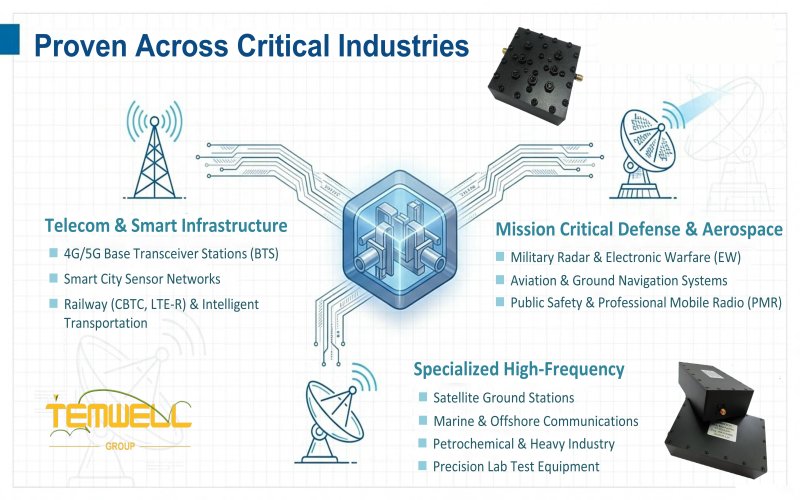
Main Application Areas and Scenarios
1. Mobile Communication Infrastructure (Base Station)
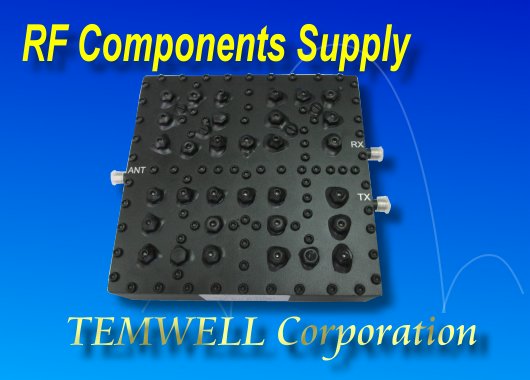
In 4G/5G base stations, cavity filters are commonly used in duplexer and combiner architectures to separate transmit and receive signals and integrate multi-channel signal transmission. Their high selectivity and low insertion loss effectively reduce adjacent channel interference (ACI), improve spectrum utilization and system capacity, and ensure stable operation of the base station even in high-traffic environments.
2. Public Safety and Professional Radio (PMR / Land Mobile Radio)
In police and fire communication systems and private network communications, stability and reliability are paramount. Cavity filters provide high isolation and interference immunity, ensuring clear communication even in emergency or high-load situations. Their high durability also makes them suitable for long-term operation, and they are widely used in government, industrial, and mission-critical communication systems.
3. Satellite Communication
In ground station systems, a cavity filter is used for precise separation of uplink and downlink frequency bands, ensuring that signal transmissions do not interfere with each other. It maintains high stability and low loss characteristics in the microwave band, making it suitable for satellite communication applications requiring high frequency and high precision, ensuring signal quality for long-distance transmission.
4. Defense & Aerospace:
In radar and electronic warfare (EW) systems, the Cavity Filter provides high selectivity and strong anti-jamming capabilities, maintaining stable operation in complex electromagnetic environments. Its robust structure withstands extreme temperatures and vibrations, making it suitable for aerospace and military applications with extremely high reliability and performance requirements.
5. Railway and Transportation Communication Systems
In rail communication systems such as CBTC, LTE-R, and GSM-R, Cavity Filters are used in trackside base stations and onboard equipment to ensure stable communication and low latency. Their excellent anti-interference capabilities prevent signal interruptions, improve train operation safety and communication quality, and make them a crucial component of intelligent transportation systems
6. Aviation & Navigation Systems
In aviation communication and navigation systems, such as VHF aviation communication and ground navigation equipment, extremely high requirements are placed on frequency stability and reliability. Cavity filters provide precise frequency control and excellent anti-interference capabilities, ensuring clear flight communications and accurate navigation signals, playing a crucial role in environments with high safety standards.
7. Lab Test & Measurement Equipment
In RF test and measurement equipment, cavity filters are commonly used for signal filtering and frequency band selection to ensure the accuracy of test results. Their high Q value and stability reduce noise interference and provide accurate frequency response, making them suitable for high-precision testing needs in laboratory and R&D environments.
8. Marine Communication Systems
In ship and maritime communication systems, equipment must withstand challenges such as high humidity, salt spray, and prolonged operation. Cavity Filters possess excellent environmental tolerance and stable performance, ensuring unaffected communication quality, and are widely used in ship communications, maritime navigation, and port management systems.
9. Petrochemical and Heavy Industry Communications:
In petrochemical or heavy industrial environments, equipment is often subjected to high temperatures, high vibrations, and strong interference. Cavity Filters possess excellent structural strength and environmental stability, enabling long-term stable operation and ensuring uninterrupted wireless communication systems to support critical monitoring and safety management needs.
10. Smart City Infrastructure:
Various sensors and communication nodes in a smart city require stable connections, especially in high-density wireless environments. Cavity filters can be used on critical node devices to provide excellent frequency isolation and interference immunity, ensuring the smooth operation of traffic, monitoring, and public service systems.
Customized Cavity Filter from Temwell Group
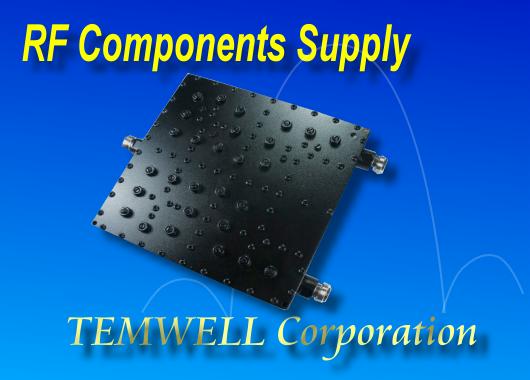
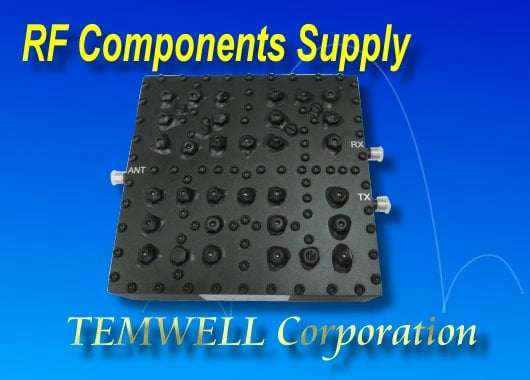
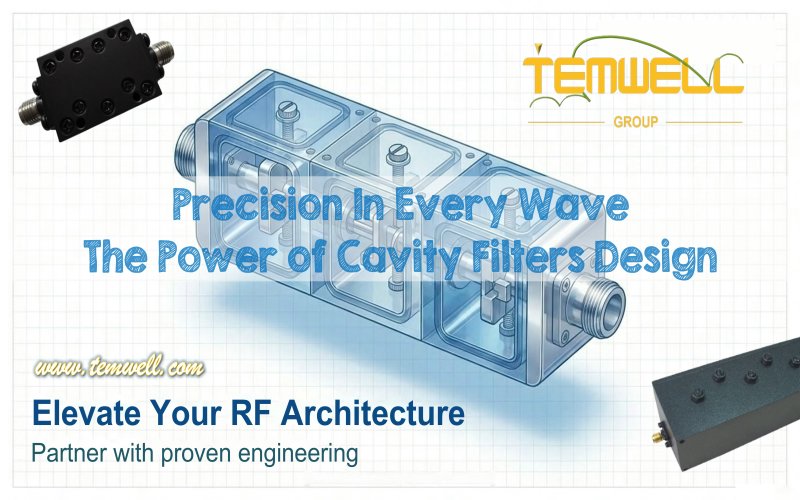
Temwell boasts a strong R&D team with a long-standing focus on RF and microwave filter technology, accumulating extensive design experience and a proven track record in diverse applications. Our team is familiar with various Cavity Filter architectures, from single-cavity and multi-cavity systems to complex systems such as Duplexer and Combiner, and can perform highly customized development according to customer needs. Through advanced electromagnetic simulation tools, precise mechanical design, and a complete measurement and verification process, Temwell effectively realizes the core advantages of Cavity Filters, including high isolation, low insertion loss, and high power handling capabilities, while ensuring stable and reliable performance in real-world applications.
In addition, the R&D team has excellent high-frequency design capabilities, enabling them to extend products to microwave and even millimeter-wave bands (such as X, Ku, Ka, V, W bands), while maintaining accurate frequency response and stable performance in high-frequency environments. Through material selection, thermal management design, and structural reinforcement, we can also meet the requirements of various harsh environmental conditions, ensuring high stability and durability of products under high and low temperatures, vibration, or long-term operation.
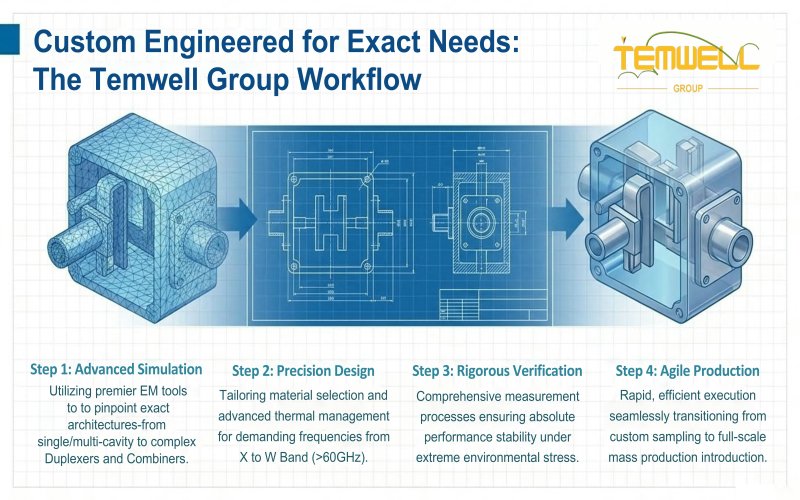
Temwell's R&D advantages are not only reflected in the technology, but also in its ability to quickly respond to market demands and execute projects. From requirements analysis and design optimization to prototype production and mass production implementation, we can provide complete and efficient technical support. With its strong R&D capabilities and continuous innovation, Temwell can fully leverage the technical features of Cavity Filters and flexibly apply them to diverse scenarios such as mobile communications, satellite, broadcasting, military, and industry, comprehensively meeting customers' various needs for high-performance filters.
If you are interested in Temwell support and Service, f eel free to contact us and get free consultation services so that we can provide you with the best solution.
Subscribe to us on Facebook for the latest product news.
Yes. RF filters play an important role in GSM-R, LTE-R, and other railway wireless communication systems. They help ensure accurate frequency selection, reduce interference, and maintain stable communication performance, which is essential for safe and efficient railway operations.